


Energy security and the transition: why Italy needs to accelerate renewables
Geopolitical tensions and volatile energy markets bring energy security back to the centre. Renewables are not just environment: they are independence.
Italian version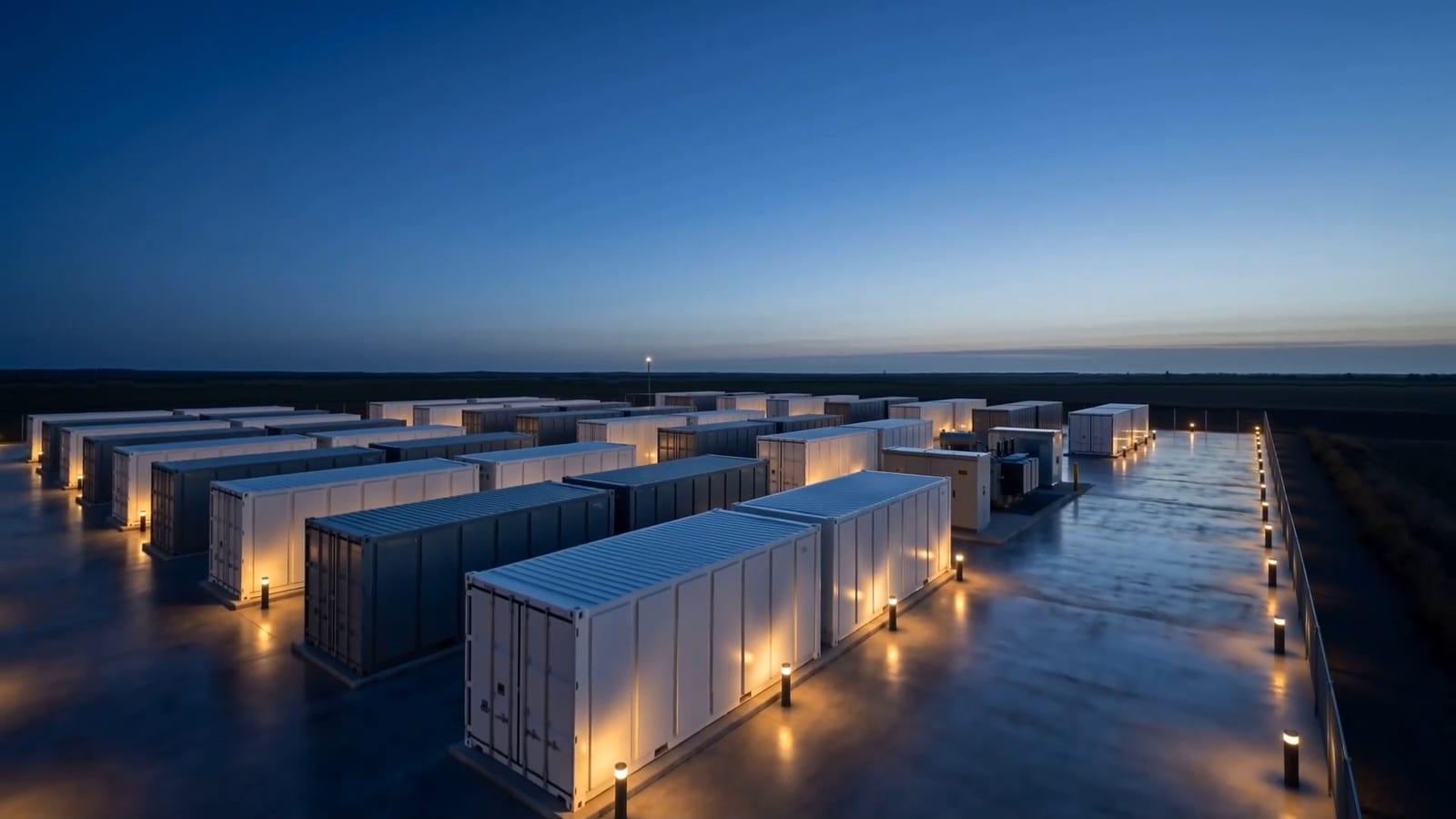
Geopolitics and energy prices: a new normal
Recent geopolitical crises — from the war in Ukraine to the tensions in the Middle East — have brought a topic back to the centre of the debate that seemed archived: energy security.
Gas and electricity prices have become hostages to factors outside the national perimeter, with direct impacts on the competitiveness of Italian companies and on household purchasing power.
Italy: energy dependence and structural fragility
Italy imports more than 70% of its energy needs, mainly as natural gas and oil. This dependence makes us structurally more exposed to international market volatility than other European countries.
Against this backdrop, every MWh produced from renewables on our soil is not just an environmental choice: it's a building block of energy independence, price stability and system resilience.
Renewables as a security factor, not just an environmental one
Photovoltaic, agrivoltaic and energy storage systems are the backbone of the Italian energy transition. They are mature, cost-competitive technologies that can be deployed within reasonably short timelines, especially under the new framework introduced by Law 4/2026.
Accelerating new renewable capacity today means building an Italy less exposed to external shocks — an objective that goes well beyond decarbonization and that should be a priority for institutions, operators and citizens.
Sunscape's role in the Italian energy transition
Through the joint venture with Chaberton Energy, Sunscape develops photovoltaic, agrivoltaic and storage plants distributed across Italy, making a concrete contribution to the growth of national renewable generation.
Our pipeline — more than 250 MWp under development, with projects already authorized and under construction — is a small but meaningful step toward an Italy that is more independent, more competitive and more secure on the energy front.